
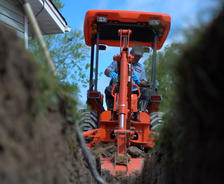
Are older homes more susceptible to weather-related plumbing issues?
Older homes might have dated plumbing materials, making them more vulnerable to temperature fluctuations and other seasonal threats.
Older homes might have dated plumbing materials, making them more vulnerable to temperature fluctuations and other seasonal threats.
While rare, extreme heat can stress pipes, potentially leading to cracks or bursts, especially if they’re exposed to direct sunlight.
Setting the thermostat to 68°F or lower when home and 60-65°F when away can significantly reduce gas furnace usage and lower bills. Programmable thermostats allow easy temperature adjustment.
Yes, faulty or outdated gas appliances like furnaces and water heaters can use more gas than necessary, driving up bills. Replacing them with new efficient models can help lower usage.
The average family can expect to pay $40 to $100 per month for gas bills depending on usage, gas prices, and weather. High-efficiency upgrades can reduce costs.
The longevity of a gas line depends on its material. Generally, galvanized steel can last 50 years or more, while flexible copper can last up to 20-25 years. Regular maintenance helps extend the life of your gas lines.
For peace of mind and safety, we recommend having your gas lines inspected at least once a year. Regular check-ups help you stay on top of minor issues before they escalate.
If you smell gas, immediately evacuate your home and call 911. Avoid igniting any flames or using electrical switches. Once safe, call your gas company or a gas line professional to inspect the situation.
For gas water heaters, a pilot light that won’t stay lit might be due to a faulty thermocouple or gas valve. Contact A1 Sewer & Drain for an appointment.
If hot water runs out faster than usual, it could be due to sediment buildup, an undersized water heater, a malfunctioning thermostat, or increased hot water demand.
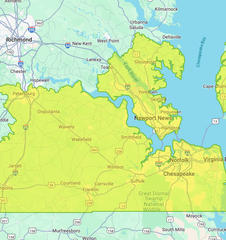
516 S. Military Hwy
Virginia Beach, VA 23464