Why does only my shower have low pressure?
Issues like clogged shower head filters, kinks in the shower supply line, or outdated plumbing just affecting the shower can lead to isolated low pressure.
Issues like clogged shower head filters, kinks in the shower supply line, or outdated plumbing just affecting the shower can lead to isolated low pressure.
Most homes have around 45-65 PSI of water pressure. Flow rates below 40 PSI will start to feel restricted.
Any leak requires swift action, and DIY repairs are not lasting solutions. For thorough detection and repair, consult trusted local professionals.
Absolutely. Even what may appear to be minor leaks can escalate, causing mold growth, structural damage, and increased water bills.
Regularly inspecting your home every three to six months can prevent unnoticed leaks. However, if you notice any warning signs, call a plumbing professional.
Common signs that point to a gas leak include a rotten egg smell, hissing sound, or dead indoor. If you notice any of these issues, call 911 right away.
It’s advisable to have an annual check-up to ensure optimal functionality. This can help detect and prevent any issues, including problems with the gas serving your stove.
Yes, you can try cleaning with a soft brush. However, for deeper blockages, it’s best to consult a professional.
Gas leaks do not go away on their own. Ignoring a gas leak can lead to serious safety hazards and potential property damage. It’s essential to address gas smells promptly.
Preventing gas smells and leaks involves routine inspections of your gas appliances, lines, and connections by certified professionals and avoiding attempting to fix gas-related issues yourself. DIY repairs can worsen the problem and pose risks.
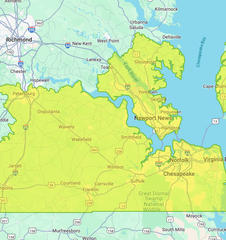
516 S. Military Hwy
Virginia Beach, VA 23464